
Your cart is currently empty!
Introduction
Few sneakers carry the weight of the Air Jordan 5 Retro. Designed by Tinker Hatfield in 1990, worn by Michael Jordan during a legendary 69-point performance, and still dropping new retros 35 years later — the AJ5 occupies a category of its own: a shoe that is simultaneously a piece of basketball history, a streetwear essential, and a genuine investment for collectors.
But in 2026, with retro releases priced at $200–$230 and resale premiums beyond that for desirable colorways, the honest question is worth asking directly: is it still worth buying?
After reviewing WearTesters’ hands-on 2026 Metallic Silver assessment, a real Grape 2025 full wear test, WearTesters’ performance review, Soleretriever’s comprehensive fit and comfort guide, and community feedback from across the Jordan collector space — here’s the full, honest picture.
Product Overview
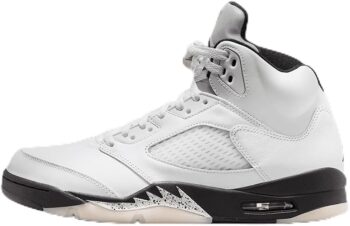
The Air Jordan 5 first released in February 1990, debuting at the All-Star Game before Michael Jordan proceeded to put 69 points on the Cleveland Cavaliers shortly afterward. Designed by Tinker Hatfield with a WWII fighter jet as its visual inspiration, the AJ5 introduced features no basketball shoe had attempted before: 3M reflective tongue material, spring-loaded lace locks, a translucent outsole with a visible Air unit, and the unmistakable shark-tooth midsole.
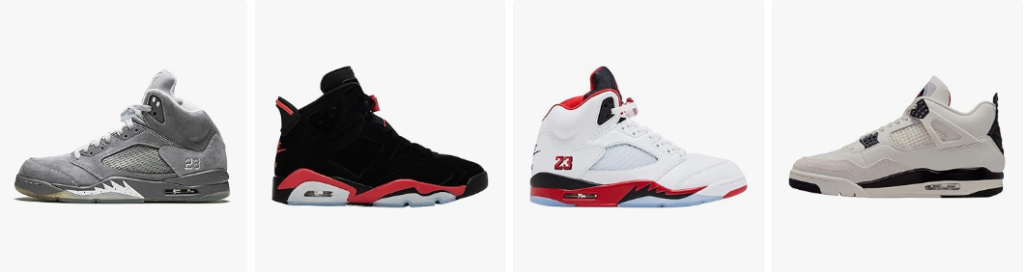
The current retro program reproduces the original design using updated materials and construction methods, retailing at $200–$230 for most general releases. The 35th anniversary of the Jordan 5 in 2025 prompted a wave of significant retro releases — including the OG Grape with Nike Air branding, the Black Metallic Reimagined, and the Fire Red Black Tongue — setting up a strong 2026 release calendar that includes the White Metallic (April 25, 2026), Wolf Grey, and Black University Blue.
Key Feature Breakdown
Materials: Thick, Soft, and Genuinely Premium on Recent Releases
The 2026 material quality story on the Air Jordan 5 is genuinely positive — and the WearTesters hands-on assessment of the Metallic Silver confirms it directly. The leather on the upper is thick and soft, which will wear nicely over time without much break-in period.
This matters because material quality has been inconsistent across Jordan Brand’s retro program historically — the 2013 Grape retro was specifically called out for its poor materials, and the 2018 Fresh Prince Grape version introduced the baffling decision to make the shoe laceless. The 2025 OG Grape release feels like a culmination of all the lessons Jordan Brand has learned — a meaningful step up from the versions that frustrated the community in between.
For buyers evaluating recent releases specifically, the 2025 and 2026 production quality is among the best the retro program has offered in years.
Cushioning: Comfortable Lifestyle Wear, Not Performance Running
The Air Jordan 5’s cushioning setup is consistent across all retro releases — a combination of two technologies working together:
Forefoot encapsulated Air unit — Air cushioning sealed within the midsole, providing cushioning impact protection without visible exposure in the forefoot.
Visible heel Air unit — The signature clear window in the heel midsole that exposes the Air cushioning, one of the most iconic design details of the shoe. There’s a full-length polyurethane midsole with a forefoot encapsulated Air unit and a visible one in the heel. The polyurethane insole adds that plush, cushioned feel underfoot that makes all the difference.
The midsole foam is polyurethane, which is more dense and more durable than traditional EVA foam. This is the traditional AJ5 cushion setup — buyers who have worn a previous retro will know exactly what to expect.
One honest performance note confirmed by WearTesters’ testing: the midsole will start off fairly stiff but soon breaks in over time. Unlike the AJ3 or AJ4, the Jordan 5 requires a short break-in window before the polyurethane midsole settles into its comfortable stride. Expect 3–5 wearing sessions before the shoe feels fully dialed in.
The overall comfort verdict for lifestyle wear is positive: worn for daily walks, quick errands, and even just lounging around, the comfort level is legit. The honest caveat is equally clear: putting miles in these will leave you wishing you wore something else. The AJ5 is a lifestyle sneaker in 2026, not a walking performance shoe — and its cushioning is calibrated accordingly.
Traction: Strong on Clean Surfaces, Limited Otherwise
Front to back, the herringbone traction worked perfectly fine. Dust and debris will slightly hinder overall performance due to the translucent rubber, but if you’re able to keep up with consistent wiping you should be alright.
The translucent outsole rubber is functionally effective on clean, dry surfaces — herringbone pattern provides reliable directional grip. The limitation is inherent to the clear rubber material: it picks up dust more readily than standard opaque rubber, requiring more frequent sole wiping to maintain grip performance. This is a known characteristic of every pair, not a quality control issue.
The heel gave slight slippage when in transition — mostly when curling around screens, running fast breaks, and driving at an angle — something that couldn’t quite be adapted to. Context: this is from WearTesters’ on-court performance test, where the slippage was noted under actual basketball movement. For casual lifestyle wear and walking, heel slippage is not a reported concern.
Fit and Construction
Air Jordan 5 sizing has been all over the place lately, but the 2026 Metallic Silver will fit best by going down a half size. If you do prefer a bit more room in your casual shoes, true to size will also work well.
The broader fit picture from Soleretriever’s comprehensive analysis: while the midfoot fit is fine — also offering two ways to lace up for greater midfoot lockdown — the heel and forefoot are a bit sloppy, mainly the forefoot.
For buyers with standard or slightly wide feet, the toe box provides enough volume to accommodate most foot shapes, and the leather breaks in over time. For wide footers, staying true to size is recommended.
The neoprene inner sleeve wraps the midfoot securely — the most locked-down zone of the shoe. The forefoot’s roominess is either a comfort advantage or a fit concern depending on foot shape and preference.
The Lace Lock System
These come with the signature Air Jordan 5 lace lock, done up in translucent fashion. The change to round laces alongside flat laces is an awesome change that will please fans of multiple eras of Jordan Brand.
The spring-loaded lace locks are one of the AJ5’s most distinctive details — both functionally and aesthetically. Translucent lace locks on the 2026 Metallic Silver are particularly clean, matching the icy sole’s visual language.
The Branding Question
The change to Nike branding on the 2026 release is a bit confusing, since the original release of this colorway featured Jordan branding all around, but consumers seem to prefer Nike branding anyway, so Jordan is giving the people what they want — consistency be damned.
This is the most internally debated quality of current AJ5 releases within the collector community. Nike Air branding is historically reserved for OG colorways and commands collector premiums. The inconsistency in applying it to non-OG colorways muddles the signal. For everyday buyers, it barely matters. For purist collectors, it’s the most discussed quality of any given retro release.
Real-World Performance
Daily casual wear: Worn for daily walks, quick errands, and even just lounging around, the comfort level is legit. For the lifestyle purpose the shoe is designed for in 2026 — casual everyday wear, commuting, social occasions — it performs well and rewards regular use as the polyurethane midsole breaks in.
Extended walking: The AJ5 is not designed for high-mileage walking. The heavy, bulky construction — heavy and bulky, especially with the collar’s padding and protruding panel — adds cumulative fatigue on longer outings compared to purpose-built walking shoes. For short to medium daily distances, it’s comfortable. For all-day city exploration or travel, bring something lighter.
On-court basketball: Not recommended. I wouldn’t recommend hooping in them, unless you’re all about the retro vibes — and WearTesters’ dedicated performance test confirms why: heel slippage in lateral transitions, a forefoot fit that runs sloppy, and midsole cushioning that doesn’t meet modern performance standards. These are lifestyle shoes in 2026, full stop.
Icy sole maintenance: The translucent outsole is both the AJ5’s most distinctive visual feature and its highest-maintenance element. Yellowing from oxidation and UV exposure is the most common wear issue across the entire Jordan 5 catalog. Store pairs in cool, dark conditions. Avoid window displays or direct UV exposure. An easy way to tell between retros is the blue tint to the icy outsole — or lack thereof. The blue tint on OG and high-quality retros is a specific characteristic that fades with oxidation, affecting both aesthetics and resale value.
Durability over time: The polyurethane midsole foam is more dense and more durable than traditional EVA foam — meaning the AJ5’s cushioning holds up better over years of wear than many Jordan retros that use lighter EVA compounds. The upper materials on recent releases age well with basic care. Leather benefits from periodic conditioning. The icy sole’s yellowing remains the primary long-term aesthetic concern.
What We Like
- Timeless design that has held up across 35 years — the shark-tooth midsole, 3M tongue, and lace locks are as distinctive now as they were in 1990
- Polyurethane midsole is more durable than EVA foam — outlasts many competing retro shoes on cushioning longevity
- Dual Air unit setup — forefoot encapsulated and heel visible Air provide genuine impact protection for everyday wear
- Recent release material quality is strong — thick, soft leather on 2025 and 2026 retros represents the best production quality the retro program has offered in years
- Herringbone traction works well on clean dry surfaces — reliable for the lifestyle contexts the shoe is designed for
- Spring-loaded lace lock system remains a unique and functional detail — both a performance feature and a collector conversation piece
- Strong cultural and resale value — core colorways maintain floor prices, OG retros with Nike Air branding command meaningful premiums
- When Jordan Brand gets it right, the AJ5 delivers on materials, color blocking, storytelling, and heritage — the Dark Concord assessment applies broadly to the best recent retros
What Could Be Better
- Heavy and bulky for extended casual wear — heavy and bulky, especially with the collar’s padding and protruding panel; not ideal for long walking days
- Heel and forefoot fit runs slightly sloppy — particularly noticeable for narrow-footed buyers
- Icy sole yellows over time — oxidation from UV exposure is inevitable without proper storage; the most significant long-term aesthetic concern
- Polyurethane midsole starts stiff — requires 3–5 wearing sessions before breaking into its comfortable sweet spot
- Inconsistent branding decisions — Nike Air vs Jumpman application lacks predictable logic across releases, frustrating purist collectors
- Not suitable for actual basketball — the most authentic retro experience comes with meaningful performance limitations on court
- $200–$230 retail is premium for lifestyle use — buyers who want cushioning performance at this price point have strong alternatives in New Balance and Nike’s current running lineup
Who Should Buy the Air Jordan 5 Retro?
Buy them if you:
- Are a Jordan Brand collector or sneakerhead building a retro rotation
- Want a culturally significant lifestyle sneaker with 35 years of design heritage behind it
- Wear relaxed, streetwear, or casual-elevated outfits where the AJ5’s silhouette adds genuine character
- Understand and accept the lifestyle positioning — this is not a walking shoe, not a running shoe, not a gym shoe
- Plan to store and care for icy soles properly to maintain appearance and resale value
- Want a shoe that holds or appreciates in value on desirable colorways
Skip them if you:
- Need a shoe for extended walking, travel, or active daily use at this price point
- Have narrow feet and find the forefoot fit sloppy — consider trying before buying
- Are not prepared to store them properly to prevent icy sole yellowing
- Want the most performance cushioning for $200+ — New Balance 9060 or Fresh Foam models offer more sophisticated comfort technology at lower prices
Final Verdict
The Air Jordan 5 Retro earns its reputation and its price tag — but only for the right buyer. It’s not the most comfortable shoe for extended wear. It’s not a performance product. And at $200–$230, it’s asking buyers to invest in design heritage and cultural identity as much as in footwear function.
For buyers who understand that proposition — and want a shoe that carries 35 years of basketball history, genuine design innovation from Tinker Hatfield, and a silhouette that has survived every trend cycle since 1990 — the AJ5 delivers at the highest level. Recent 2025 and 2026 releases have been among the best-quality retros the program has produced, and the design itself remains as compelling as it ever was.
The icy sole will need care. The polyurethane midsole needs a few sessions to break in. And if you’re buying for performance or extended walking comfort, the 530 or 9060 are smarter spends.
But as a statement sneaker, a collector’s piece, and a piece of wearable basketball history — the Jordan 5 is still worth every bit of the hunt.
Which AJ5 colorway is your personal grail — or which recent retro did you manage to cop? Drop it in the comments!
Frequently Asked Questions
Q: Is the Air Jordan 5 comfortable for all-day wear?
A: For casual daily use — errands, commuting, social occasions — yes, the AJ5 is comfortable once the polyurethane midsole breaks in after a few wearing sessions. For extended all-day walking or travel, the heavy and bulky construction builds cumulative fatigue compared to purpose-built walking shoes. The honest position from WearTesters is clear: putting serious miles in these will leave you wishing for something else. For lifestyle wear, it delivers. For high-mileage use, it doesn’t.
Q: How does the Air Jordan 5 Retro fit — should I size up or down?
A: Sizing varies slightly by release. The 2026 Metallic Silver fits best going down a half size for a snug fit, with true to size working for buyers who prefer more room. The Grape 2025 fits true to size with slight wiggle room in thinner socks — narrow-footed buyers who want a tighter fit may consider half down. The consistent theme: the forefoot and heel run slightly sloppy compared to the well-locked midfoot. Check the specific release’s WearTesters or Soleretriever review for the most current sizing call before ordering.
Q: Are recent Air Jordan 5 Retro releases good quality?
A: Yes — 2025 and 2026 production quality represents some of the best the retro program has delivered. The 2026 Metallic Silver features thick, soft leather that will wear nicely over time with minimal break-in. The 2025 OG Grape was widely praised as a return to form after the poor-material 2013 retro and the laceless 2018 Fresh Prince version. Quality control remains an industry-wide challenge for Jordan Brand across its full retro lineup, but recent AJ5 releases have been specifically positive.
Q: Is the Air Jordan 5 worth $200–$230 in 2026?
A: For collectors and Jordan Brand loyalists — yes. The cultural capital, design heritage, dual Air unit cushioning, and resale value maintenance make the AJ5 a defensible $200+ purchase for buyers who understand what they’re buying. For buyers evaluating purely on comfort and lifestyle performance against the price, New Balance 9060 ($130–$150) delivers more sophisticated cushioning technology at a lower price. The AJ5 premium is for heritage, identity, and design — not for best-in-class daily wear comfort.
Categories: Fashion

Leave a Reply